




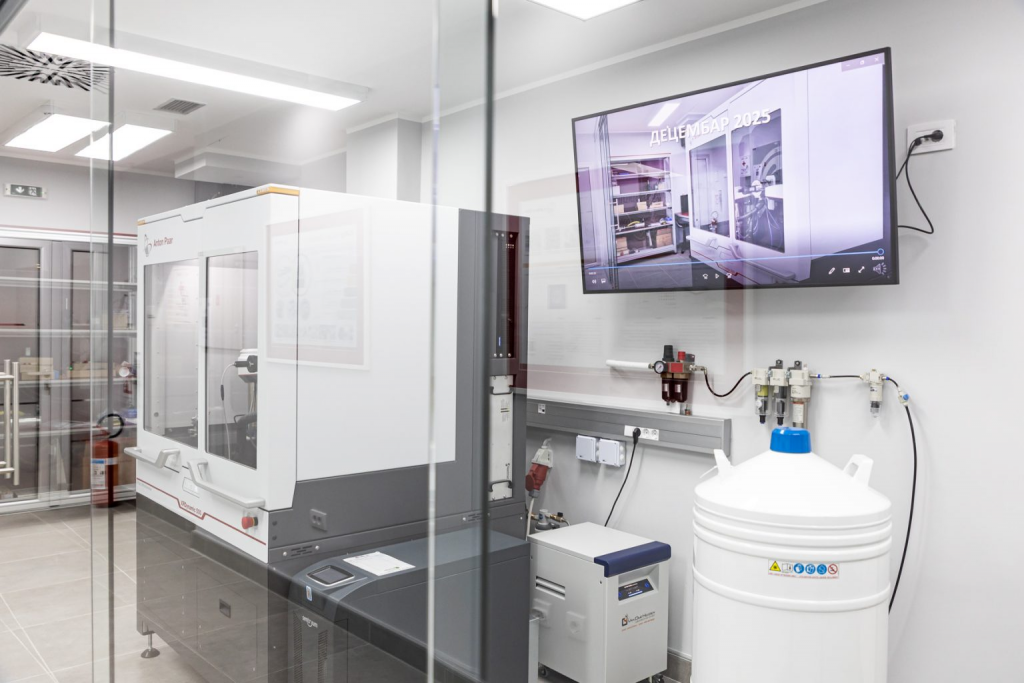
A new laboratory called Training Centre for Advanced Structural Analysis, featuring the newly installed instrument worth 350 000 euros, opened at the Institute of Physics Belgrade. The new X-ray diffractometer XRD was acquired through the European project Hidden phases in 2D quantum materials (HIP-2D-QM). This is a project from the prestigious ERA Chair program of the European Union, which researchers from the Centre for Solid State Physics and New Materials at the Institute of Physics won last year. With the help of the new XRD instrument, researchers can record atomic and molecular structures in a way that has not been possible in Serbia so far. This laboratory will actually function as a regional training centre, providing researchers from the region with the opportunity to use advanced structural analysis techniques that have not been applied in the Western Balkans so far.
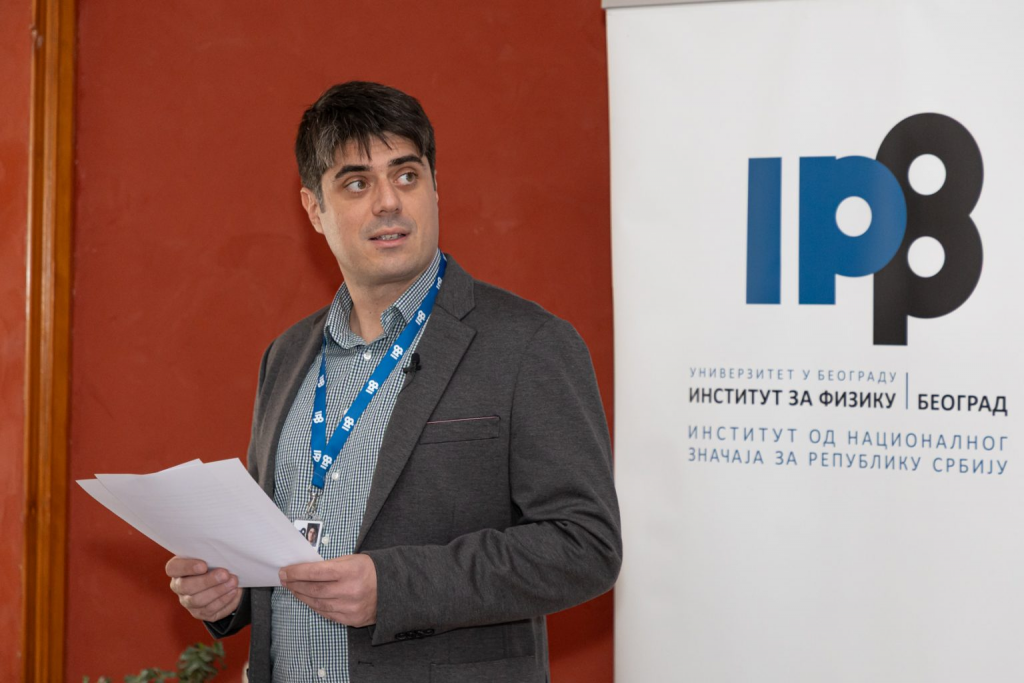
’Our vision was achieved with the help of the ERA Chair programme,’ said Dr Nenad Lazarević, head of the Centre for Solid State Physics and New Materials. This year, the Centre marked thirty years of its foundation, and it is one of the four centres of excellence at the Institute. Researchers at the Centre have developed and advanced various methods for the study and analysis of materials, which has earned the Centre international recognition—for example, in the field of Raman spectroscopy. The project HIP-2D-QM has opened up new, previously unknown directions and developed new methods because it has facilitated the return of Dr Emil Božin to Serbia. He brought his experiences from Brookhaven National Laboratory in the USA, such as the pair distribution function (PDF) method, which he will now be able to teach and further develop using the new X-ray diffractometer, training new generations of researchers from the region.
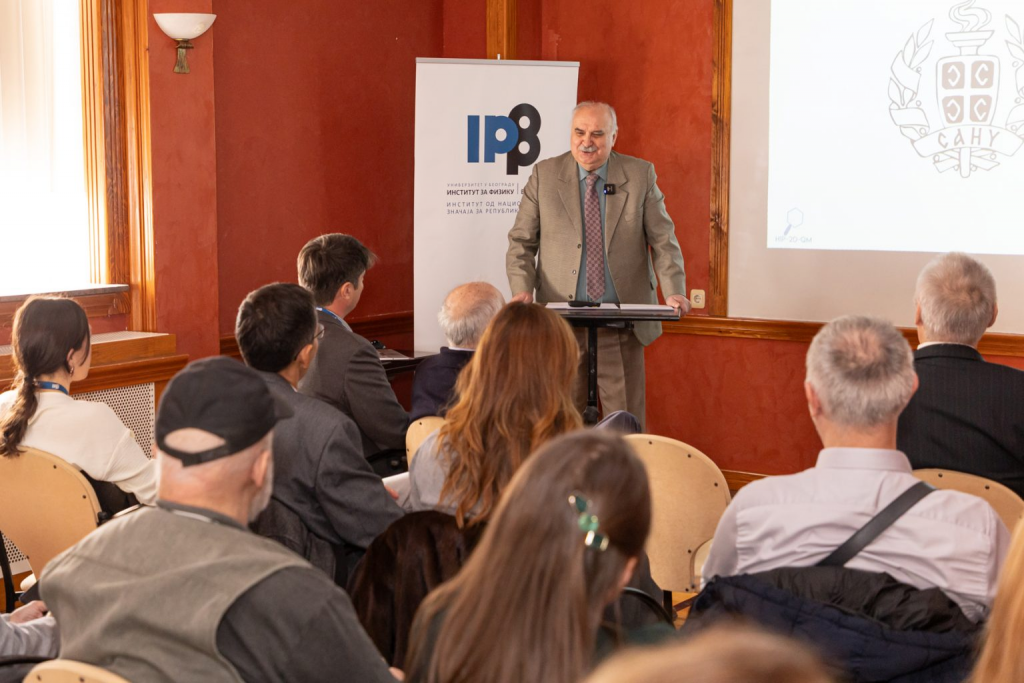
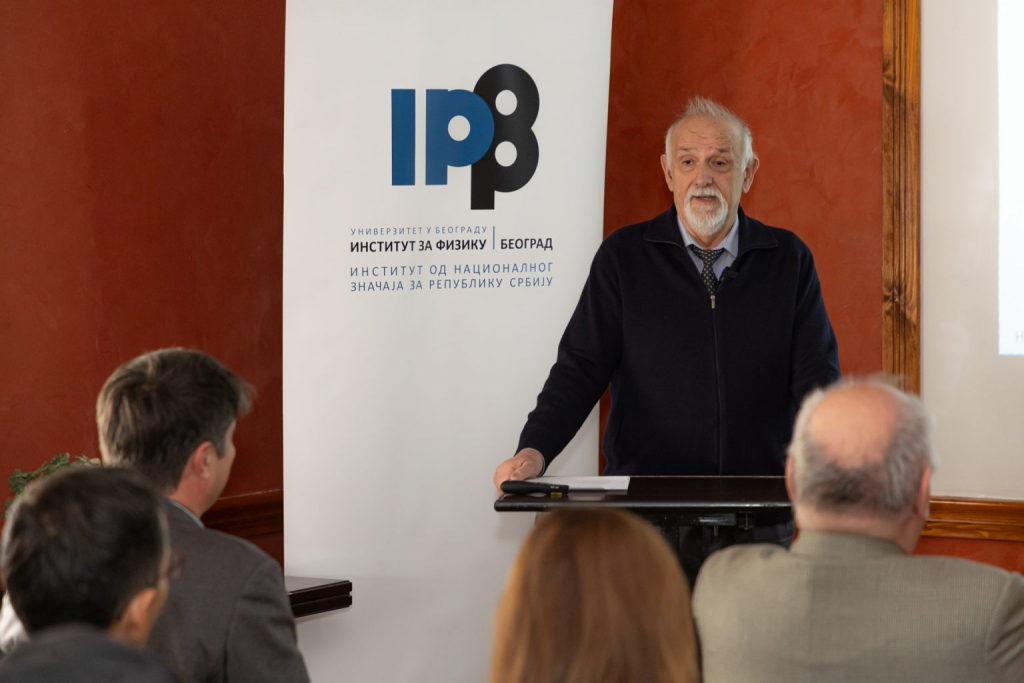
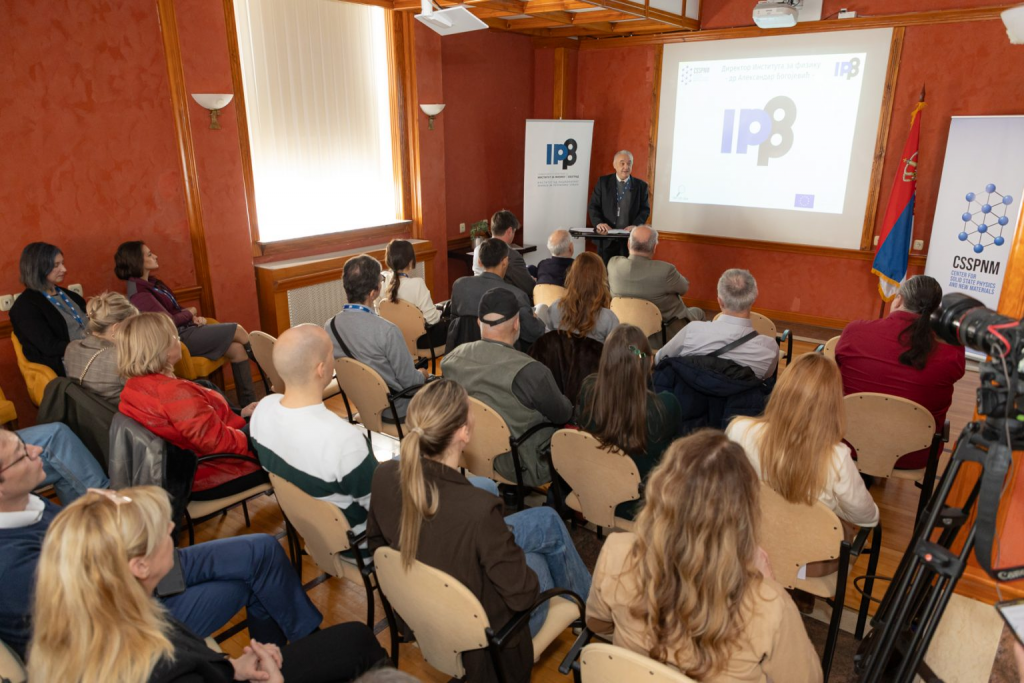
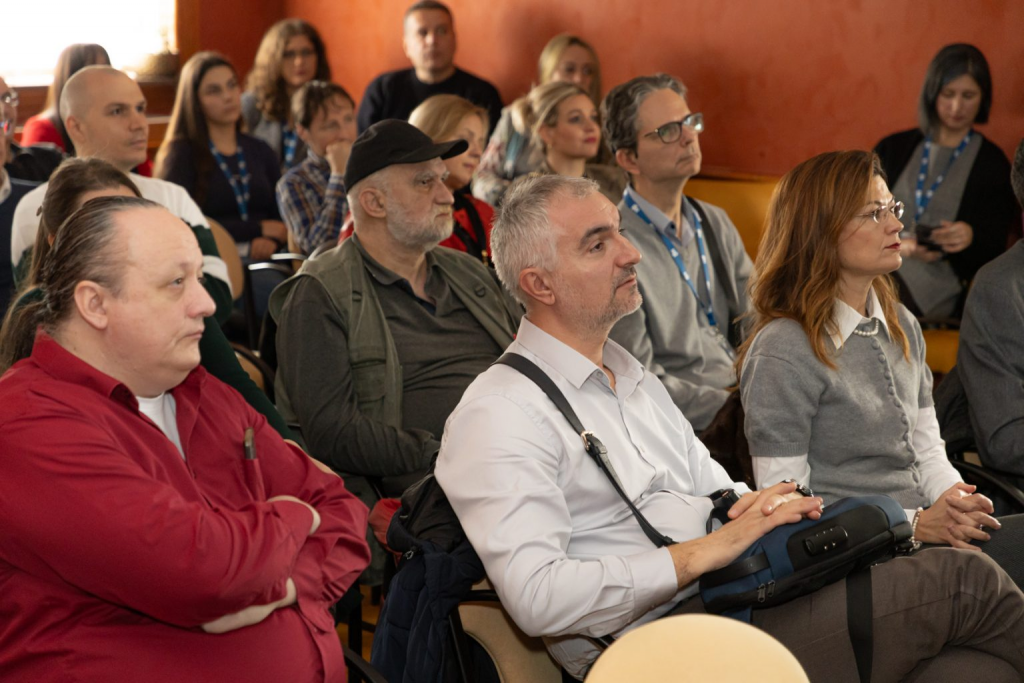
The Institute of Physics will have a reliable partner and the full support from the Serbian Academy of Sciences and Arts which carefully follows developments in physics and what the Institute does,’ said Academician Zoran Knežević, President of the Serbian Academy of Sciences and Arts (SASA) at a ceremonial event which took place on Monday, 9 December, at the reading room of the Dr Dragan Popović Library at the Institute of Physics. The event was organised to mark the opening of the new Training Centre for Advanced Structural Analysis. The guests were also addressed by Academician Zoran Popović, Vice-President of SASA, who is also the founder of the Centre for Solid State Physics and New Materials.
’This time, the story has a happy ending. Not only has what we founded and launched been preserved, but the conditions and the research of the Centre have been considerably improved’, said Academician Popović.
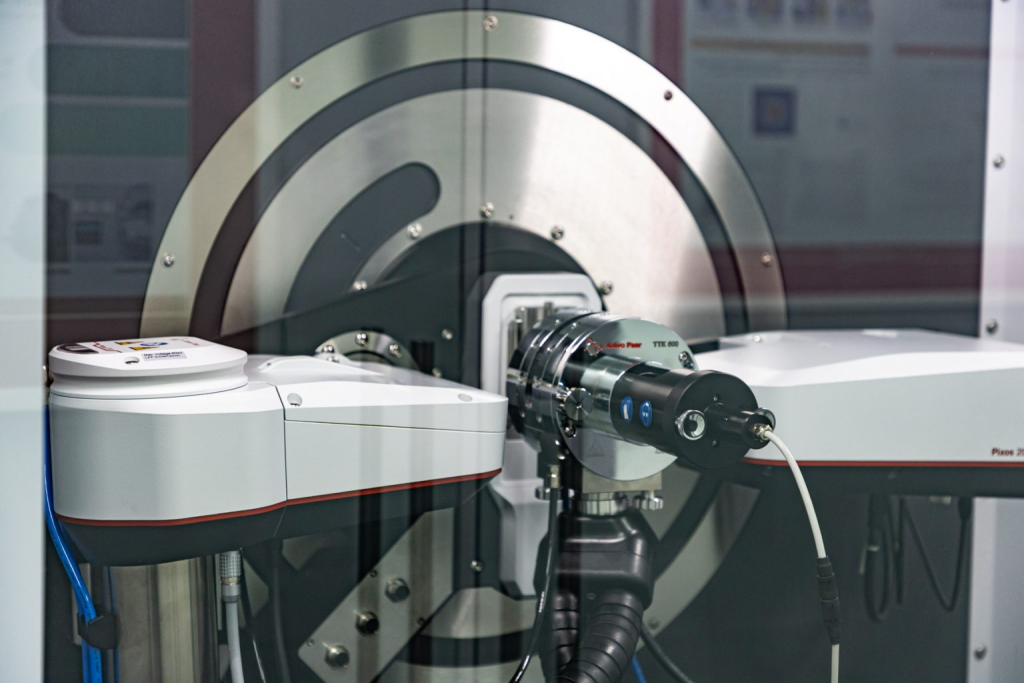
The new XRD, like any X-ray diffractometer, generates X-rays that are directed at a sample, which can be a powder or a thin film of the material under study. The X-ray beam is scattered by the crystal structure of the sample at different angles, and the instrument’s detector records all these scattered rays, thus producing the so-called diffractogram. The new XRD can record structures that were ’invisible’ to previous instruments. The instrument has two types of X-ray sources, and measurements can be performed at different temperatures – the range of temperatures at which the recording is performed is actually broad, from –190°C to +600°C.

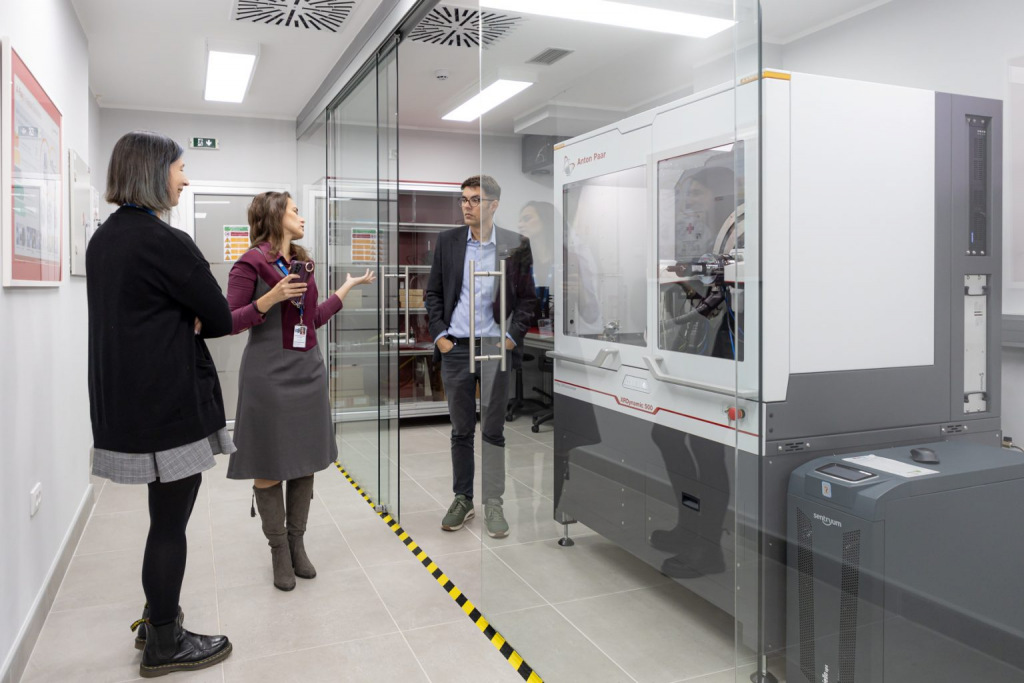
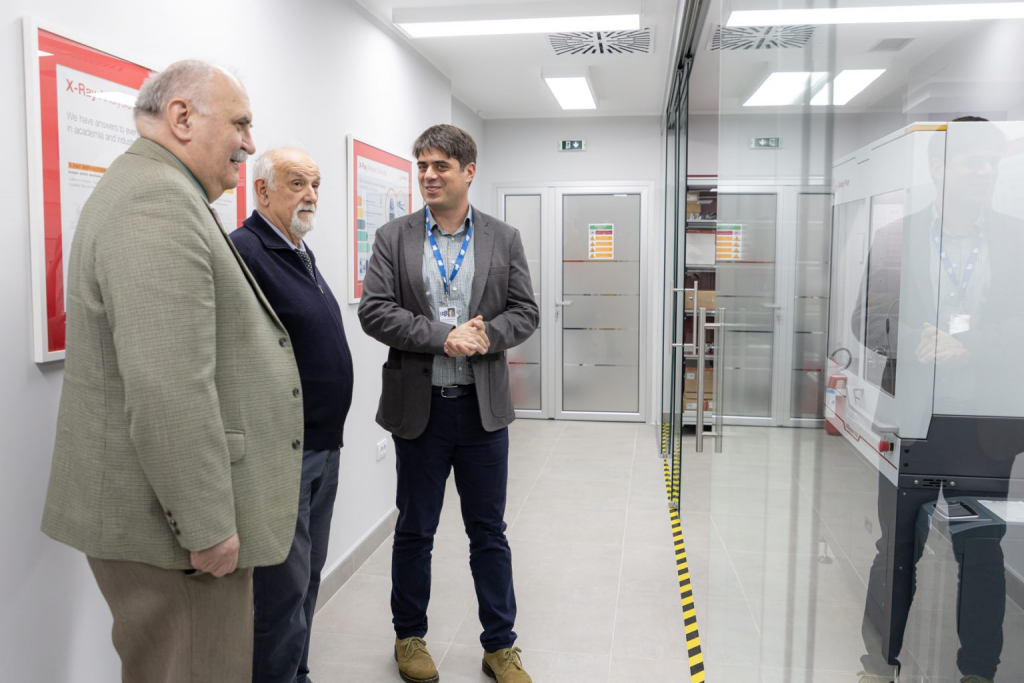
The team working at the Centre for Solid State Physics and New Materials is fantastic,’ said Dr Aleksandar Bogojević, director of the Institute of Physics, adding that in addition to winning million-worth research projects, they also manage to ’bring out the best in everyone’. After the event, guests toured the new laboratory while Dr Jelena Pešić and Dr Bojana Višić gave them an overview of the capabilities of the new XRD instrument.
The new diffractometer truly provides a ’look into the unknown’ – previously unobserved phenomena and unknown material properties can be observed on this XRD; however, this represents only the beginning. The plan is to use powerful European cyclotrons and other large European infrastructures for further analysis and even more precise and comprehensive imaging. However, the findings obtained on our XRD will be a ’ticket’ to continue research on these large-scale machines.
Photos by Bojan Džodan